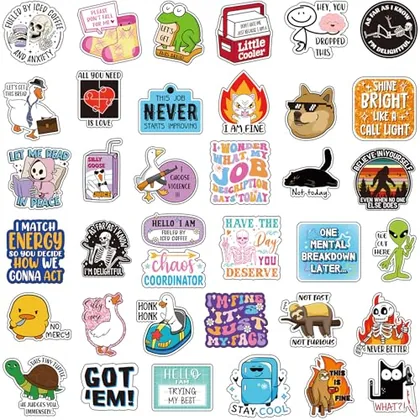
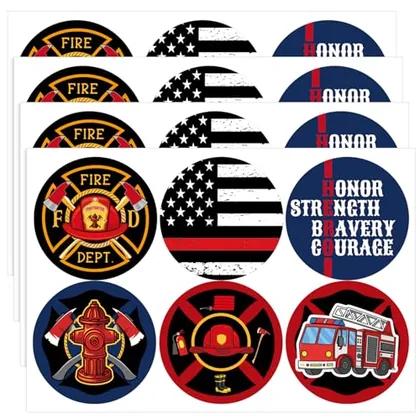
360 Piece Self-Adhesive Assorted Firefighter Sticker Sheet Pack 1.5 Inch Sheet, Red
red · 1.5 in · paper
$9.99 $0.03 each


We count what we make
We are Honoson, and we make the small things a room runs out of: badge reels, notebooks, tweezers, sanding sticks, screwdrivers, party favours, repair parts. We sell them by the pack, 988 lines across 17 departments, and we tell you how many are in the box before we tell you anything else.
Browse all 988 lines
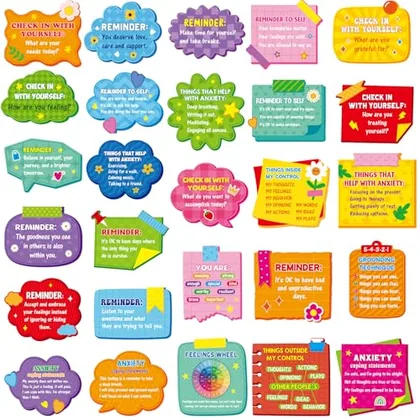
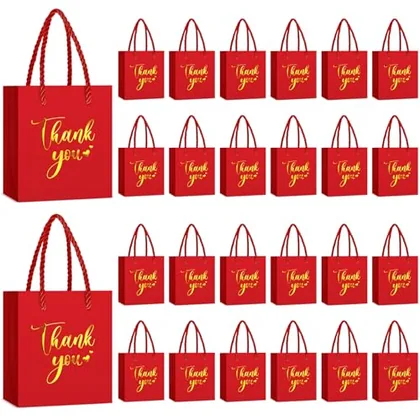
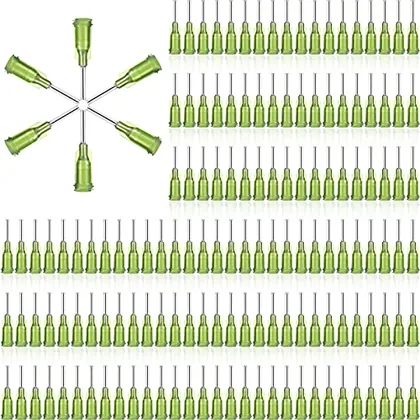
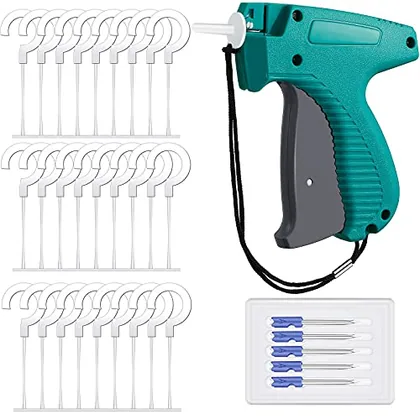
Honoson makes a great many small things rather than one big one. 888 of our 988 lines carry a stated count, our largest box holds 2006 pieces, and the middle of what we make is a pack of 15. Those are the quantities a classroom, a workshop or a shop counter actually gets through.
What a workplace, a conference or a classroom clips to a shirt.
57The boxes that come down from the loft once a year.
110Everything a table needs on the one day of the year it matters.
97Bulk counts for a room of thirty and the week it has to survive.
105The desk drawer, restocked by the box rather than the packet.
18What the present travels in, bought by the dozen.
166Small tools that get used until they wear out, sold in counts.
91The drawer by the back door, and the parts that vanish from it.
61Parts that fix the thing you already own instead of replacing it.
24Things that live outside and have to survive a season of it.
34The counters and the drinks table, restocked in bulk.
39Precision tools for hands, faces and hair, in salon counts.
25Small protection you buy before you need it, not after.
29Kit for the pool, the pitch and the trail, in team quantities.
19What a small shop runs on behind and across the counter.
30What goes on the wall, in the cupboard or across the bathroom rail.
30Pieces that do not sit neatly on any one shelf.
For the event
red · 1.5 in · paper
red · paper
Bulk buying goes wrong in one specific way: the bigger pack looks cheaper and is not. So we work out the real per-piece figure on every shelf we make, from the prices on these pages rather than from a list kept somewhere else.
| Department | Lines | Sold in packs | Largest pack | From, per piece |
|---|---|---|---|---|
| Badges & Lanyards | 53 | 47 | 500 | $0.06 |
| Seasonal | 57 | 48 | 600 | $0.02 |
| Party & Favours | 110 | 100 | 360 | $0.03 |
| Classroom & Teacher | 97 | 93 | 324 | $0.05 |
| Stationery & Paper | 105 | 100 | 2006 | under 1¢ |
| Gift Packaging | 18 | 18 | 60 | $0.30 |
| Craft & Modelling | 166 | 144 | 150 | $0.04 |
| Hand Tools | 91 | 84 | 2006 | $0.02 |
| Home Repair & Lighting | 61 | 50 | 60 | $0.17 |
| Garden & Outdoor | 24 | 20 | 24 | $0.75 |
| Kitchen & Bar | 34 | 33 | 100 | $0.12 |
| Beauty Tools | 39 | 33 | 100 | $0.10 |
| First Aid & Protection | 25 | 19 | 110 | $0.06 |
| Sports & Swim | 29 | 29 | 200 | $0.20 |
| Retail & Display | 19 | 17 | 2006 | under 1¢ |
| Home & Decor | 30 | 20 | 600 | $0.03 |
| More Supplies | 30 | 26 | 1200 | $0.03 |
We round every Honoson per-piece figure up to the cent, so the number we print is never lower than the number you pay. Below a cent we write it out in words rather than as $0.00.
The range
A supply cupboard is judged on one thing: whether the item is there when you reach for it. So we make for the reach, not for the shelf edge, and we count what goes in the box.
We make ordinary Honoson items across seventeen shelves, and we go deliberately broad rather than deep. A school needs badge reels and glue sticks and safety scissors in the same week, and a workshop needs sanding sticks, hex keys and cable ties on the same afternoon. We would rather have all of that than one beautiful thing.
We do not pretend any of it is an heirloom. The test we set a line is duller and harder than that: does somebody reorder it.
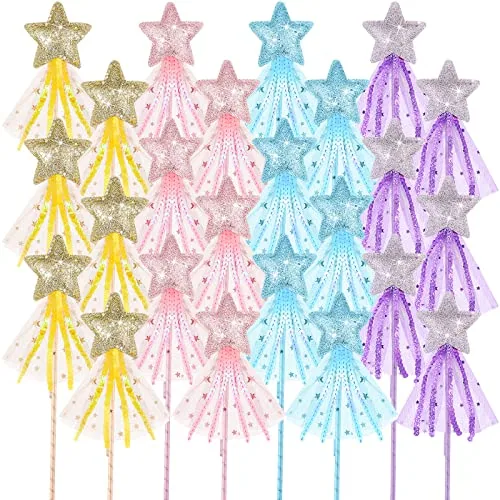
We put how many are in the box first on every Honoson page we publish. It is the first fact on a card, we put it in the name, and it decides where we file the product on a department page.
The reason is arithmetic. A pack of 200 pencils at fifteen dollars and a pack of 24 at nine are not comparable until you divide, so we do the division on the page and print the figure per piece next to the price.
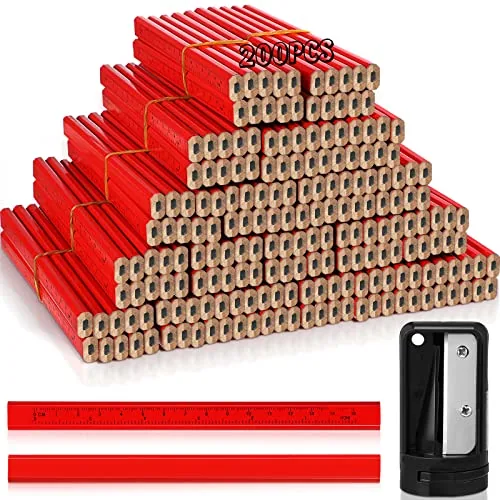
We print what a pack contains, what we make it from and how big it is, and we leave the row out where we have not confirmed it. We keep no house average standing in for a missing measurement, and we let no adjective do the work a number should do.
It makes some of our pages shorter than the competition. It also means you can trust the numbers we do print.
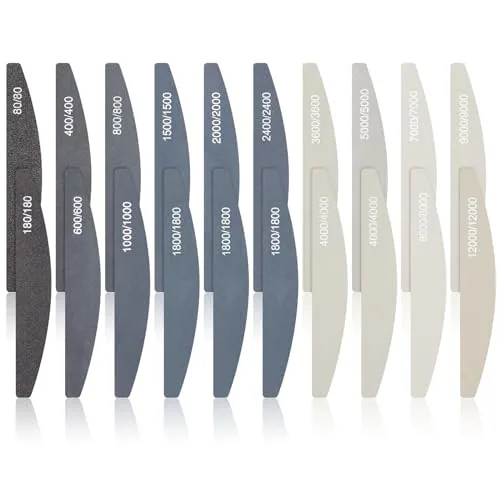
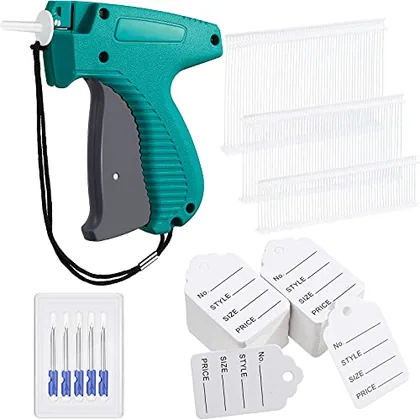
What we make crosses twenty-seven separate product categories as they are filed elsewhere, which is a good way to lose a customer. So we organise our departments by what somebody is actually shopping for: we put a Christmas party favour on the seasonal shelf, a cookie box bought to give in gift packaging, a tagging gun at the shop counter.
Where a line genuinely belongs on no one shelf, we put it in More Supplies rather than force it somewhere tidy.
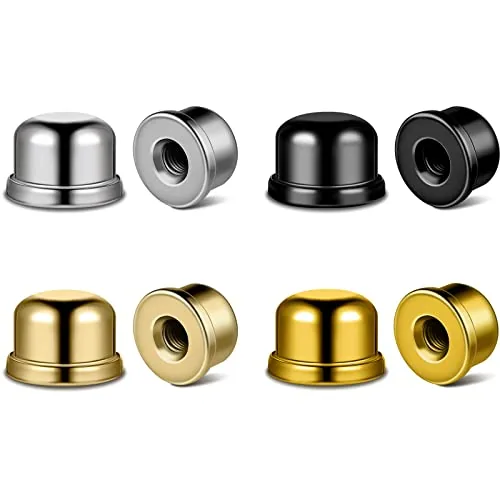
We date every price, once, on our editorial policy page rather than stamped across every screen. When we cannot get a line to you we take it off the shelf until we can, so the worst you will find here is an empty peg and never a stale number.
That is our whole policy, and it is why the number we show you is worth reading.
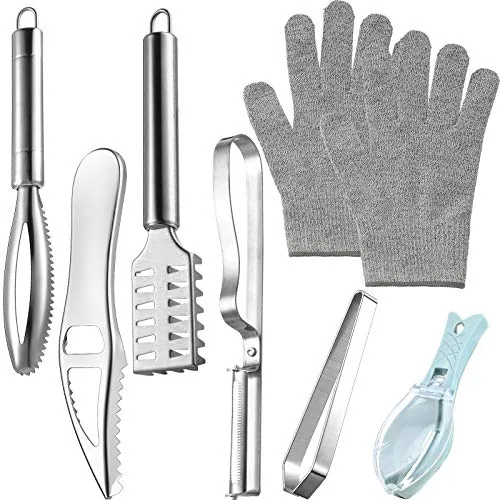
The pack sizes we actually make at Honoson, and what each band tends to get bought for. We are describing our own shelves here, not dressing a recommendation up as a fact.
| Pack size | Typically bought for | Lines | From |
|---|---|---|---|
| 1 piece | Sold singly: tools and one-off parts | 107 | $5.99 |
| 2 to 12 pieces | Small sets: a drawer, a desk, one job | 430 | $4.99 |
| 13 to 50 pieces | A room: a class of thirty, a party, a shift | 295 | $5.29 |
| 51 to 200 pieces | A term or a season of restocking | 120 | $4.99 |
| 201 pieces and up | Consumables bought once a year | 36 | $9.99 |
For the job
We work in stainless steel, plastic, paper, wood, felt, silicone and rubber, and we count a line here only where we state the material on it. It matters for the same reason the count does: a stainless tweezer and a plated one are different objects at the same price, and only one of them tells you which it is.
| Material | Lines that state it | Share of range |
|---|---|---|
| Plastic | 350 | 35.4% |
| Metal | 256 | 25.9% |
| Paper | 213 | 21.6% |
| Stainless steel | 151 | 15.3% |
| Fabric | 146 | 14.8% |
| Wood | 134 | 13.6% |
| Glass | 55 | 5.6% |
| Silicone | 35 | 3.5% |
| Acrylic | 33 | 3.3% |
| Bamboo | 16 | 1.6% |
Counted only where the product states the material. Where a line does not say what it is made of, we leave the material blank.
For the desk and the classroom
multicolour · paper
Three long reads on buying by the pack, working safely with the tools in this range, and running a room full of small parts.
Bulk pricing is arithmetic wearing a disguise. How to work out what a piece really costs, when the bigger box is the wro
undefined words · undefined sections
A workshop drawer holds two kinds of tool: the ones you keep and the consumables you burn through. Telling them apart be
undefined words · undefined sections
Party favours and classroom kit come in counts of fifty for a reason, and that is exactly what makes them a hazard aroun
undefined words · undefined sections
Our own frames from all seventeen departments, shown at the size the files actually are. We do not need heroic photography to sell a box of screws, and blowing a small picture up to pretend otherwise is the one thing we will not do.
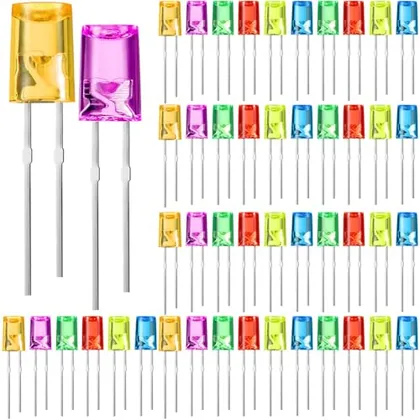
Not with another badge, but with what usually goes wrong when supplies are bought by the pack.
| What matters | Honoson | What people run into otherwise |
|---|---|---|
| Count in the box | Stated on 888 of 988 lines, up to 2,006 pieces | A photograph of a pile and no number, so the pack arrives short |
| Price per piece | Worked out and printed next to every pack price | A sticker price that hides how much one piece costs |
| Material | Named on 820 lines, exactly as the product states it | "Premium quality" with no material named anywhere |
| What is not stated | Left blank rather than filled with an average | A spec table where every row is filled and none can be checked |
| Ratings | Shown per product where collected, 969 of 988 lines | One shop-wide star score that belongs to nothing in particular |
The questions that actually stop people, answered from what the range itself states.
Honoson is a bulk supply brand and this site is its catalogue: 988 lines across 17 departments, each with the count, the material and the price the product itself states. We are not a checkout. Ordering, payment, delivery and returns happen with the retail partner, and the disclosure at the foot of every page says exactly that.
The parcel is dispatched by the retail partner you order from, not by us, so the delivery estimate you see at checkout is theirs and it is the one that counts. We do not print a shipping time on this site, because we would be quoting somebody else's promise. What we can tell you is what is in the box before you open it.
Returns are handled where the order was placed. The window, the postage and the condition rules are set there and they can differ by country and by who ships the parcel. We deliberately print no number for it here: a figure we cannot honour is worse than an empty space.
The count is the first thing on every card, and it comes from what the product states rather than from a photograph: 888 of our 988 lines carry one, up to 2,006 pieces. Where a line does not state a count, the row stays empty. The price per piece next to it is worked out from that count and the current price, so a bigger box is easy to compare with a smaller one.
Yes, and they are per product, never a single score for the shop. 969 of 988 lines show a rating, and a line with nothing collected shows no stars at all rather than a zero. Ratings belong to a whole family of variations, because that is how the pool is kept, so the same figure appears on every colour of one line.
Raise it with the retail partner who shipped it: they hold the order and the money, and a short-count or a damaged item is theirs to settle. We do not issue a warranty of our own and we will not imply one. Questions about the products themselves reach a person at the address on our contact page.
Because the product does not state that figure. Filling the gap with a category average would make the table look complete and be wrong, which is the opposite of useful when you are counting parts for a job. An empty row is a fact about our data, and we would rather show it than hide it.